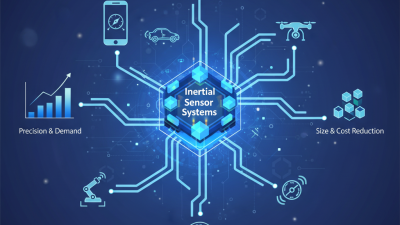
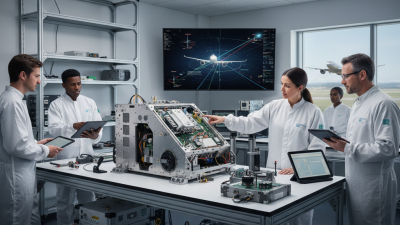
In today’s fast-moving tech world, picking the right Inertial Sensor System is more important than ever. Big names like Bosch, Honeywell, and STMicroelectronics really dominate the scene with some pretty impressive products. These sensors play a big role in making navigation better across all sorts of devices, from smartphones to car systems.
A good Inertial Sensor System needs to deliver accurate and reliable data. Because, let’s be honest, precision really matters, especially in high-stakes areas like aerospace and robotics. That said, not every system out there lives up to those high standards. Some might struggle with real-time responsiveness or calibration issues. Trying to sort out quality when buying these sensors from around the world can feel pretty overwhelming—there’s a lot to consider.
Figuring out which sensor system is right for you kind of comes down to really understanding what your specific needs are. Taking the time to do some homework on the options and maybe even chatting with experts can make a huge difference. Sure, balancing costs, quality, and features can be tricky—sometimes frustrating, even—but it’s totally worth it in the long run. After all, your choice isn’t just about today; it’s about ensuring everything runs smoothly down the line.

Understanding Inertial Sensor Systems: A Comprehensive Overview
Inertial sensor systems play a crucial role in various industries, from aerospace to consumer electronics. These systems measure motion and orientation, providing valuable data for navigation and control. According to a report by MarketsandMarkets, the global inertial sensor market is projected to reach approximately $20 billion by 2026, growing at a CAGR of 7.5%. This growth highlights the increasing demand for precise navigation technology.
Understanding the components and functionality of inertial sensors is essential. They typically include accelerometers and gyroscopes. Accelerometers measure linear acceleration, while gyroscopes track angular velocity. Combining these measurements leads to accurate motion tracking. However, sensor drift and noise can pose challenges. Continuous calibration is often necessary to maintain accuracy, especially in dynamic environments.
Tips: Always consider the environmental factors where the sensors will be deployed. High vibration or magnetic interference can impact performance. Also, be aware of the trade-off between cost and accuracy. Many providers offer a range of solutions, but not all meet high-performance standards. Evaluating your specific needs is critical.
Key Applications of Inertial Sensors in Various Industries
Inertial sensors play a crucial role across various industries. They are essential in aviation, automotive, and robotics. These sensors help track movement and orientation, providing vital data for navigation. In the military sector, inertial navigation systems ensure accurate positioning. These systems operate without external signals, which is crucial during operations in remote areas.
In the automotive sector, inertial sensors enhance safety features. They help in vehicle stability systems and advanced driver-assistance systems (ADAS). Accurate motion detection can prevent accidents. In robotics, these sensors enable precise control. Robots can navigate complex environments, adapting to real-time changes. However, manufacturers often grapple with sensor drift and calibration issues. These challenges necessitate ongoing research for improvement.
Moreover, the application of inertial navigation systems in consumer electronics is expanding. Smartphones and wearables increasingly rely on these sensors. They enhance user experiences by providing context-aware services. Yet, the integration can lead to privacy concerns, necessitating discussions around data security and user consent. The balance between innovation and ethical considerations remains a topic for reflection in the industry.
Market Trends: Global Procurement of Inertial Sensor Technologies
The global procurement landscape for inertial sensor technologies is ever-evolving. Industry experts observe a significant rise in demand for these sensors across various sectors. Applications range from automotive systems to aerospace innovations, highlighting their versatility. New developments are emerging rapidly, underscoring the importance of staying informed.
Market trends show a shift towards miniaturization and enhanced accuracy. Companies are investing in research to improve sensor performance. This trend aligns with the growing expectation for more efficient solutions. However, as the market warms, supply chain challenges may arise. Producers must manage risks associated with component shortages.
Furthermore, the scrutiny on data privacy is intensifying. Companies must ensure their technologies comply with regulations. Navigating these challenges requires adapting strategies and fostering transparent processes. However, it’s a learning curve. Procurement teams must remain vigilant. Building strong relationships with suppliers can mitigate these risks. Balancing innovation and reliability will be key for the future of inertial sensor procurement.
Leading Manufacturers: Evaluating the Top Inertial Sensor Brands
Inertial sensor systems are crucial in various applications, from aerospace to robotics. Selecting the right inertial sensor brand can be challenging. Many manufacturers claim to offer top-performing devices. However, performance can vary significantly between brands. Evaluating your specific needs is essential, as different applications require different sensor capabilities.
Leading manufacturers often showcase their technology through detailed specifications. Consider factors such as precision, weight, and power consumption. Some brands excel in miniaturization, making sensors easier to integrate into smaller devices. Others focus on robustness, ensuring reliable operation in harsh conditions. Understanding the strengths and weaknesses of each brand helps in making an informed decision.
Despite the extensive options available, not every brand meets expectations consistently. Quality control issues can arise, impacting sensor reliability. Furthermore, the latest technology may not always guarantee superior performance. In some cases, a newer brand may outperform established names, providing better value. Adopting a mindset of skepticism encourages a thorough evaluation of the available options. It's essential to seek unbiased reviews and case studies to assess the real-world performance of these sensor systems.
Technical Specifications: Key Metrics for Selecting Inertial Sensors
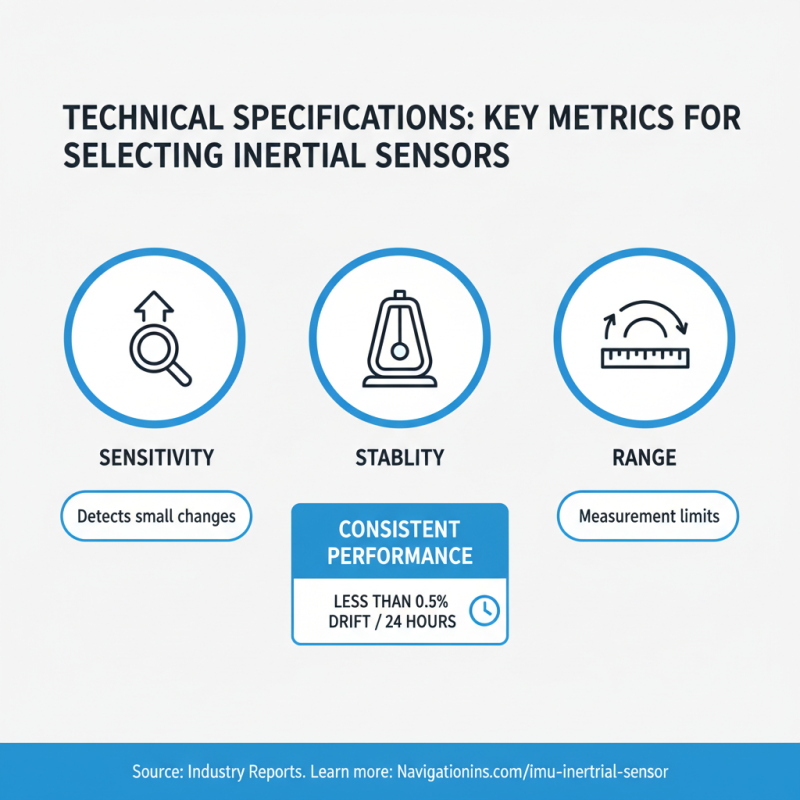
In the rapidly evolving world of technology, selecting the right inertial sensor system can significantly impact procurement strategies. Key metrics for evaluating inertial sensors include sensitivity, stability, and range. Sensitivity determines how small a change the sensor can detect, while stability ensures consistent performance over time. According to industry reports, a high-quality Imu Inertial Sensor should demonstrate a stability of less than 0.5% drift over 24 hours, ensuring reliable measurements for various applications.
Another critical factor is the sensor's range. Many projects require sensors that can endure extreme conditions. Research indicates that sensors designed for aerospace applications need to operate effectively within a temperature range of -55°C to 125°C. Moreover, integration capabilities with existing systems should not be overlooked. The ideal IMU inertial sensor should provide flexibility in mounting and connectivity, tailored to the specific requirements of the task.
While these metrics guide the selection process, challenges remain. Factors like cost constraints can lead to compromises in sensor quality. It’s essential to balance budget with the technical specifications to avoid future issues. Potential users should engage with consultants who can provide insights into emerging technologies and industry standards. This collaboration can illuminate how to select an inertial sensor system that truly meets project needs.
Cost Analysis: Budgeting for Inertial Sensor Procurement
Budgeting for inertial sensor procurement is crucial in today's competitive landscape. A recent report indicates that companies spend an average of
$500,000 annually on these technologies. Understanding the cost components can significantly impact project success. For instance,
the initial acquisition is only a part of the total expenditure. Maintenance and calibration can add another 30% to your budget.
It's essential to factor in these ongoing costs when planning. Neglecting them often leads to insufficient funding, causing project delays. Research indicates that 40% of firms underestimated
their total life cycle costs. A well-thought-out budget leads to informed decision-making. When looking at inertial sensor systems, reliability is key. The
Poseidon Inertial Sensor has a reputation for stability,
which can reduce maintenance needs.
Tip: Consider the long-term value rather than just upfront costs. Analyze how better reliability can save you money over time. Frequent recalibration can eat into your budget.
Also, look at emerging technologies. Opting for new systems might offer unexpected savings. Remember, investing in a high-quality inertial sensor system may be
more cost-effective in the long run.
Future Innovations: Emerging Trends in Inertial Sensor Systems
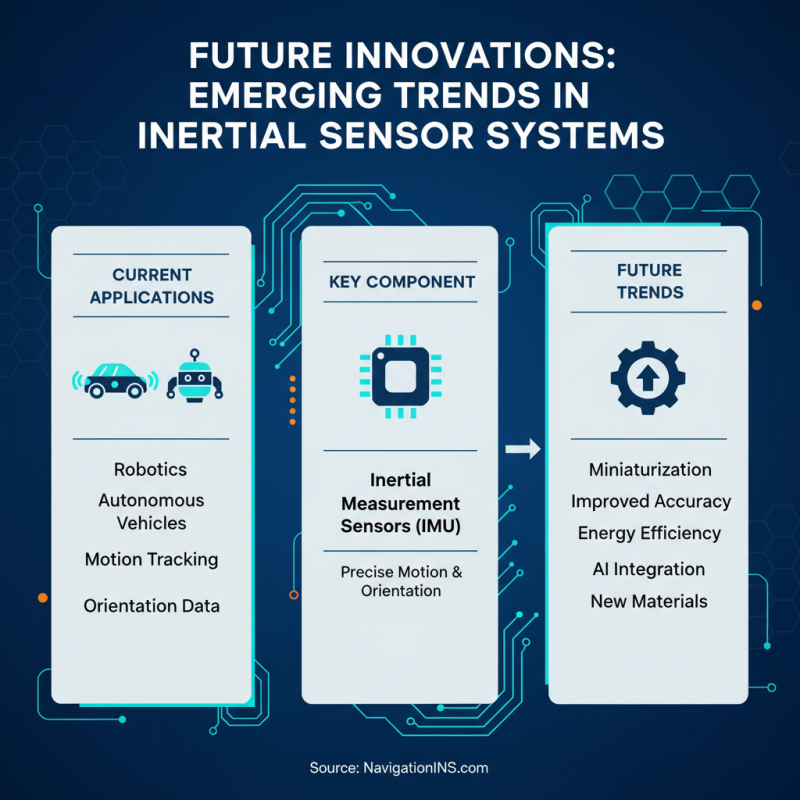
Inertial sensor systems are rapidly evolving. They play a crucial role in numerous applications, such as robotics and autonomous vehicles. These systems utilize Inertial Measurement Sensors to provide precise motion tracking and orientation data. As technology advances, we can expect more innovations in this field.
One emerging trend is the integration of artificial intelligence. This approach enhances data analysis capabilities. AI can process vast amounts of information much faster than traditional methods. Consequently, it allows for real-time adjustments in navigation systems. Moreover, the rise of MEMS (Micro-Electro-Mechanical Systems) technology is noteworthy. MEMS-based Inertial Measurement Sensors are smaller and more energy-efficient.
However, challenges remain. Accuracy and reliability in diverse environments can still pose issues. Calibration and environmental factors must be addressed. Ensuring these systems perform consistently across various conditions is vital for widespread adoption. As we explore these innovations, continuous improvement and critical reflection on existing technologies will drive the industry forward.
Exploring the Advantages and Applications of the Fiber Optic Gyro BSD50 Angular Speed Sensor in Modern Technology
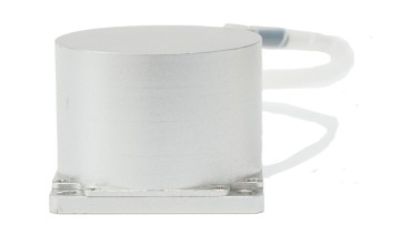
The Fiber Optic Gyro BSD50 stands out as a leading solution in modern technology, offering a myriad of advantages that make it a go-to choice for various applications. This gyroscope features advanced digital closed-loop technology that ensures exceptional bias stability ranging from 0.1°/h to 1.0°/h. Its compact dimensions of just 50mm x 50mm x 37.7mm and a lightweight design of under 120g make it particularly suitable for environments where space is at a premium.
One of the most compelling aspects of the BSD50 is its versatility in high-performance applications across diverse fields such as aerospace, defense, and industrial automation. The high precision offered by this gyroscope, coupled with a simplified structure, allows for a wide dynamic range and fast startup. Its robust resilience to vibrations and shocks ensures dependability even in challenging conditions, making it an excellent choice for small inertial measurement units, navigation systems, and various guidance and tracking technologies. As industries continue to innovate, the BSD50 remains a trusted component for reliable and precise navigation and measurement solutions.
FAQS
: Inertial sensors are crucial in aerospace, robotics, and various other applications. They help detect changes in movement and orientation.
Consider specific project needs. Focus on factors like precision, weight, power consumption, and integration capabilities.
Sensitivity determines how small a change the sensor can detect. It affects the accuracy of the measurements.
Stability ensures consistent performance over time. Look for specifications showing less than 0.5% drift over 24 hours.
Projects in extreme conditions need sensors that operate effectively within specific temperature ranges, like -55°C to 125°C.
Sometimes, new brands offer better value. It's critical to investigate performance through unbiased reviews and case studies.
Cost constraints may lead to compromises. Balancing budget with specifications is crucial to avoid future issues.
Assess flexibility in mounting and connectivity. It’s vital to match sensors with the specific requirements of your project.
Consultants provide insights into emerging technologies and industry standards. They help illuminate the best options for your needs.
Conclusion
The article "Discover the Best Inertial Sensor System for Global Procurement" provides a comprehensive overview of inertial sensor systems, highlighting their key applications across various industries such as aerospace, automotive, and consumer electronics. It discusses the current market trends in global procurement of these technologies, emphasizing the growing demand and the importance of selecting the right systems for specific applications.
Furthermore, the article examines essential technical specifications and metrics that should guide buyers in their decision-making process when procuring inertial sensor systems. A cost analysis is presented to assist organizations in budgeting effectively for these investments. Finally, the piece explores future innovations and emerging trends in inertial sensor systems, paving the way for advancements that could reshape their use in numerous sectors.

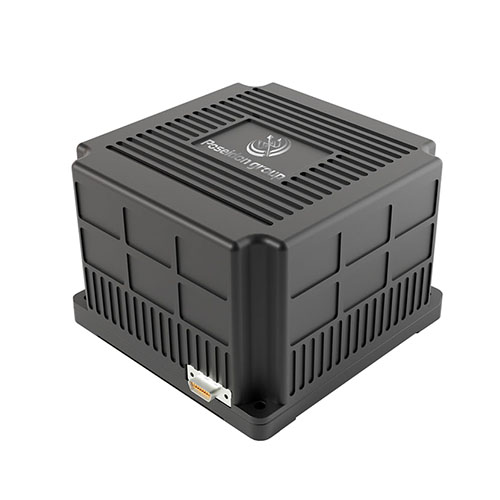 TBSD60
 BSD120
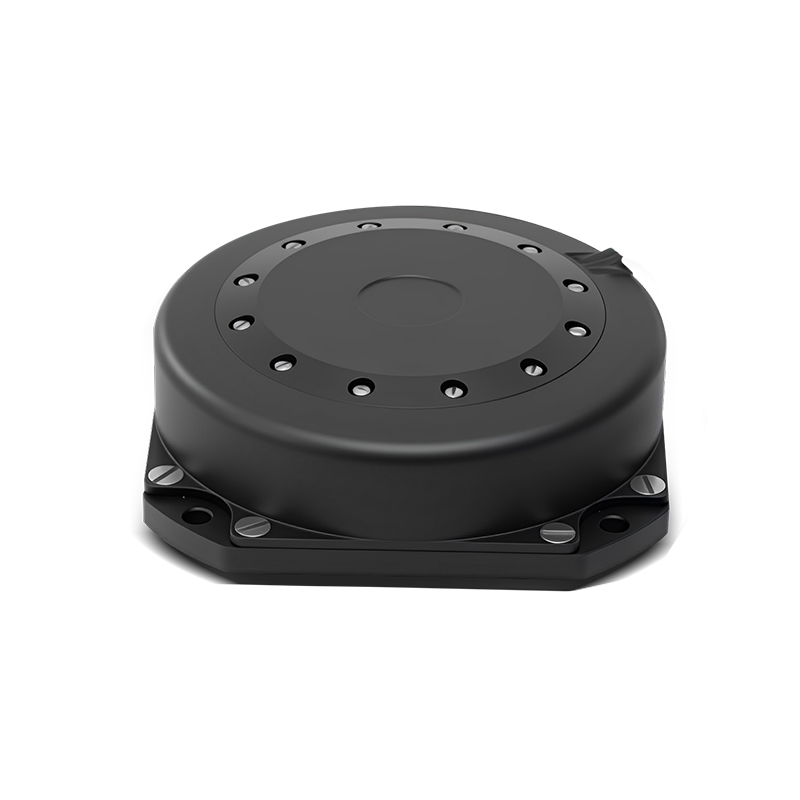 BSD98
BSD98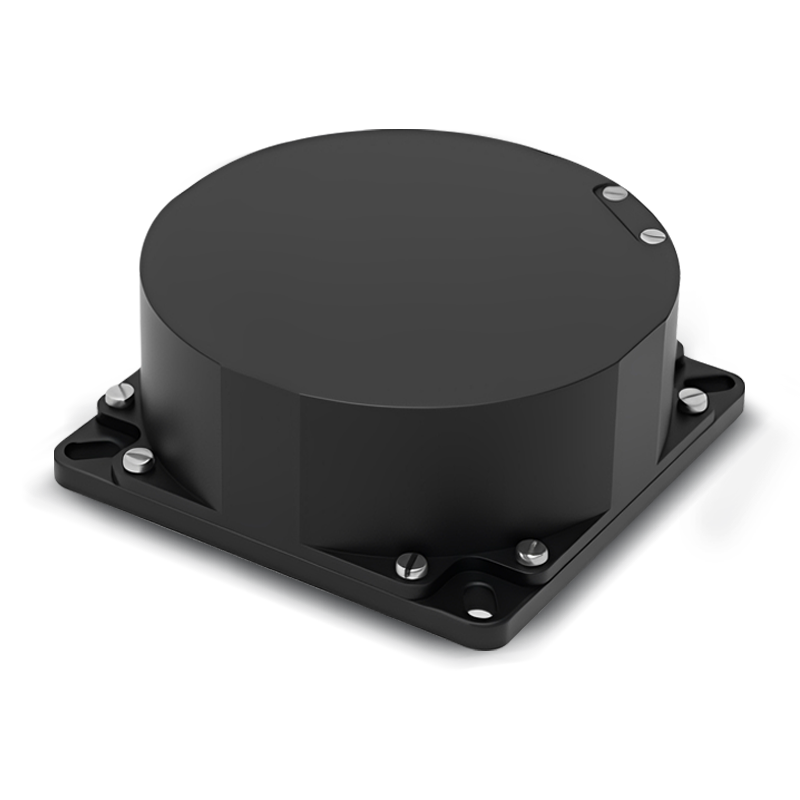 BSD70
BSD70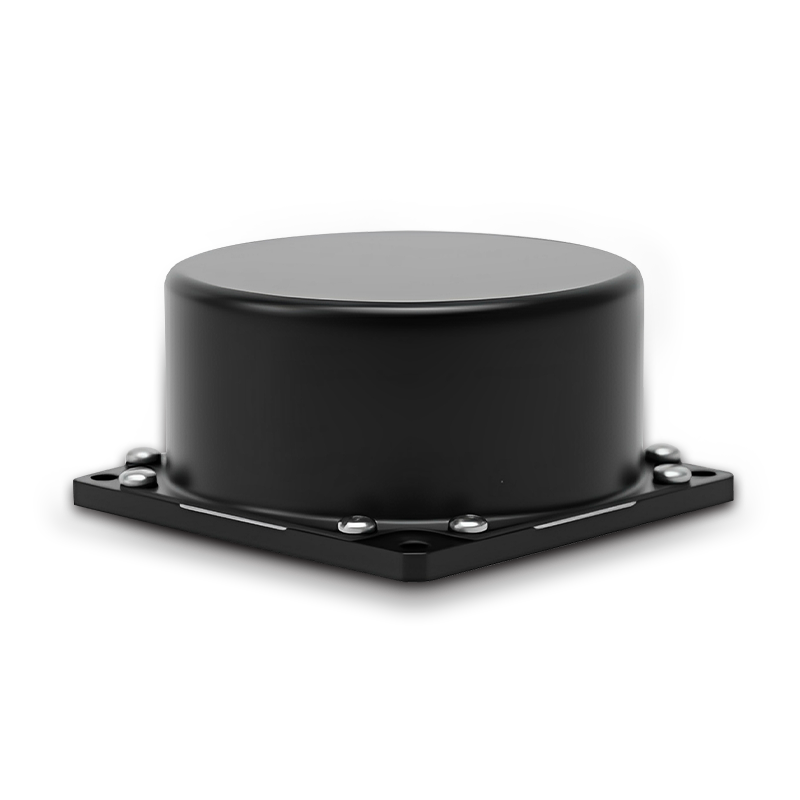 BSD60
BSD60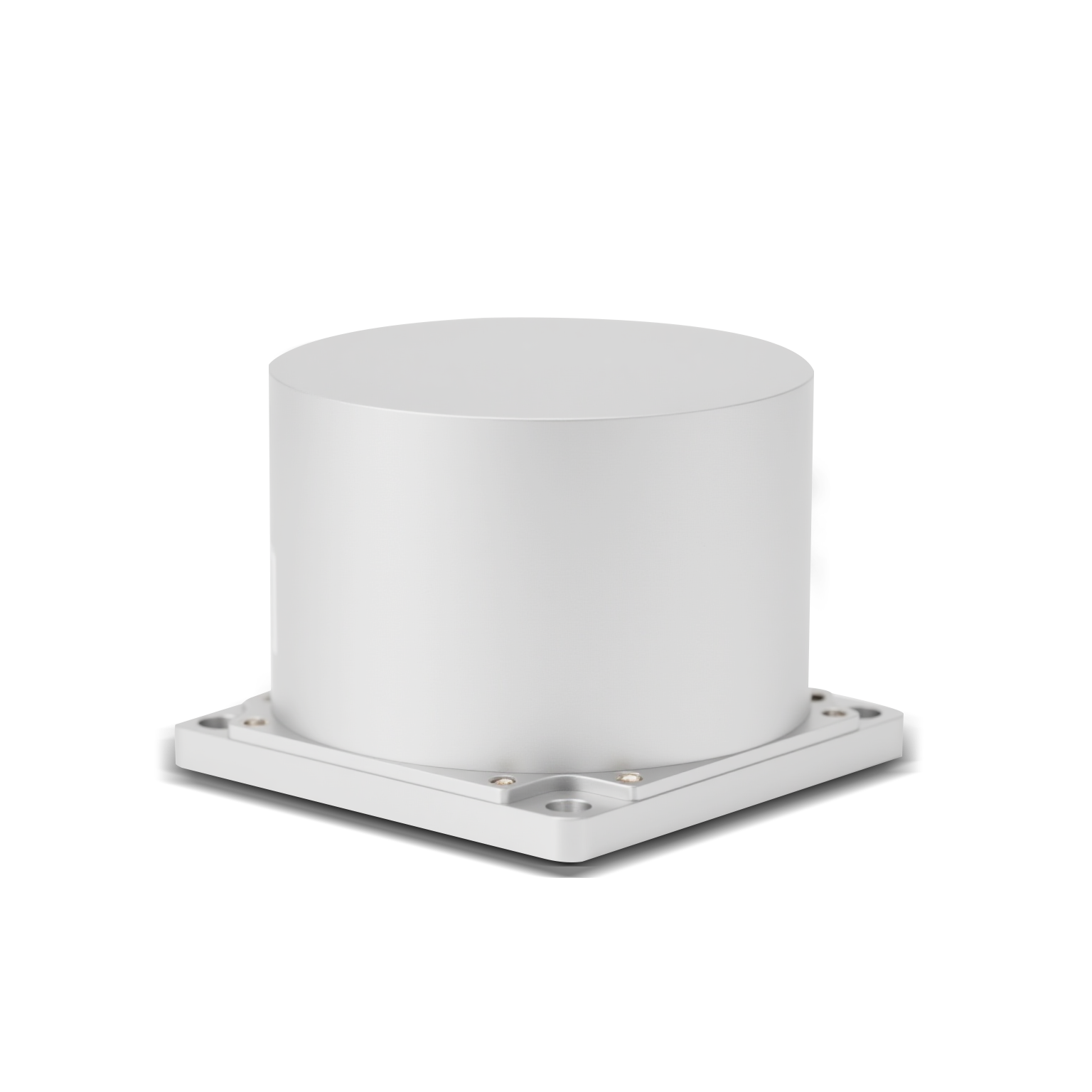 BSD50
BSD50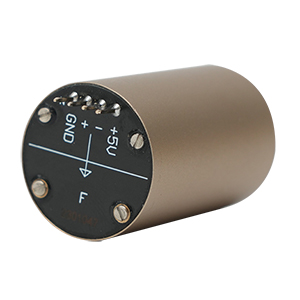 BSD217
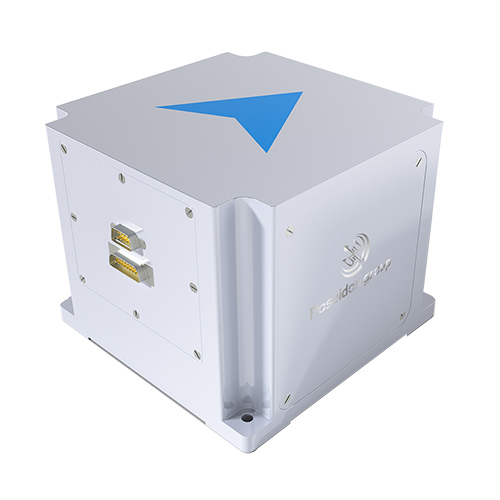 INS1700
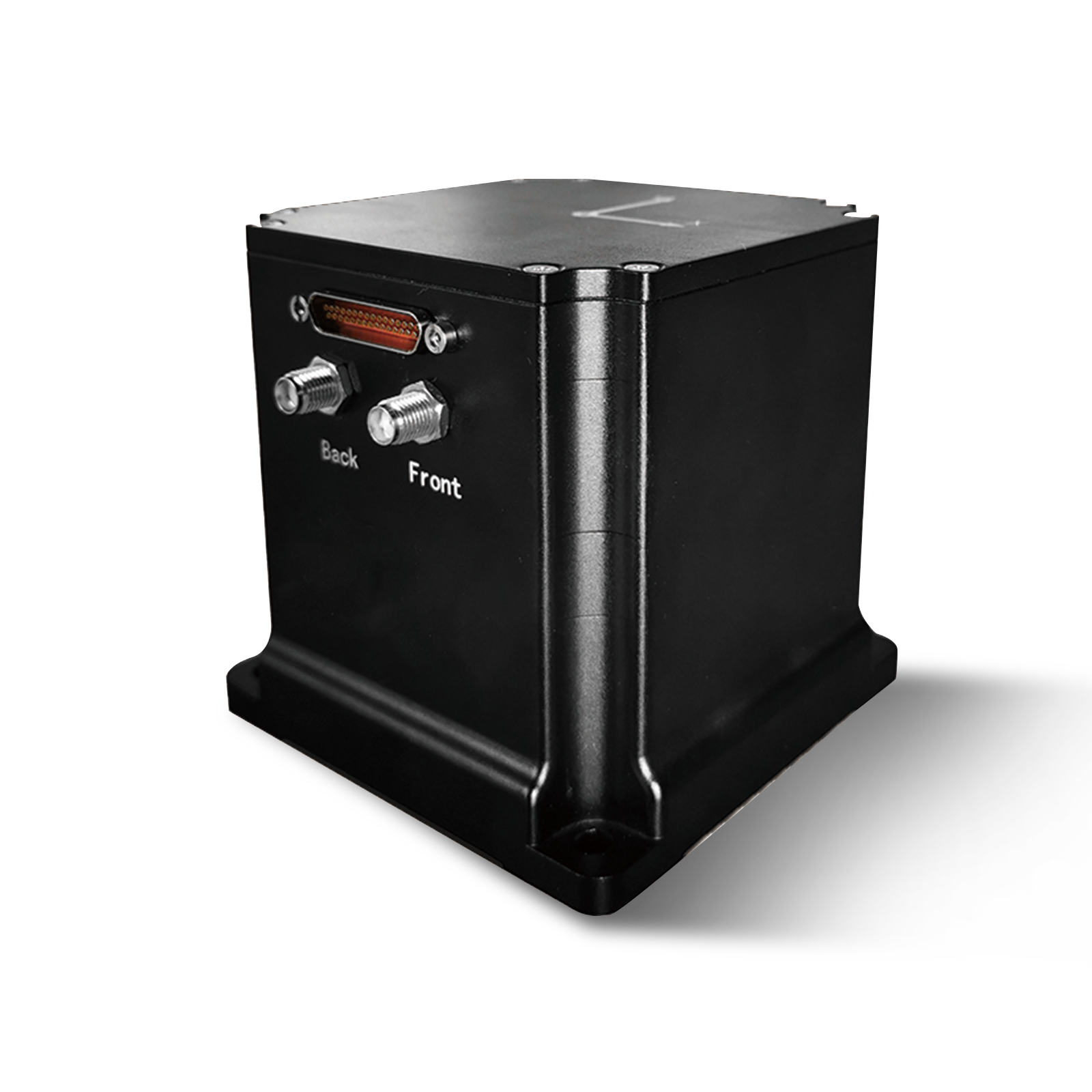
 INS970
 INS570
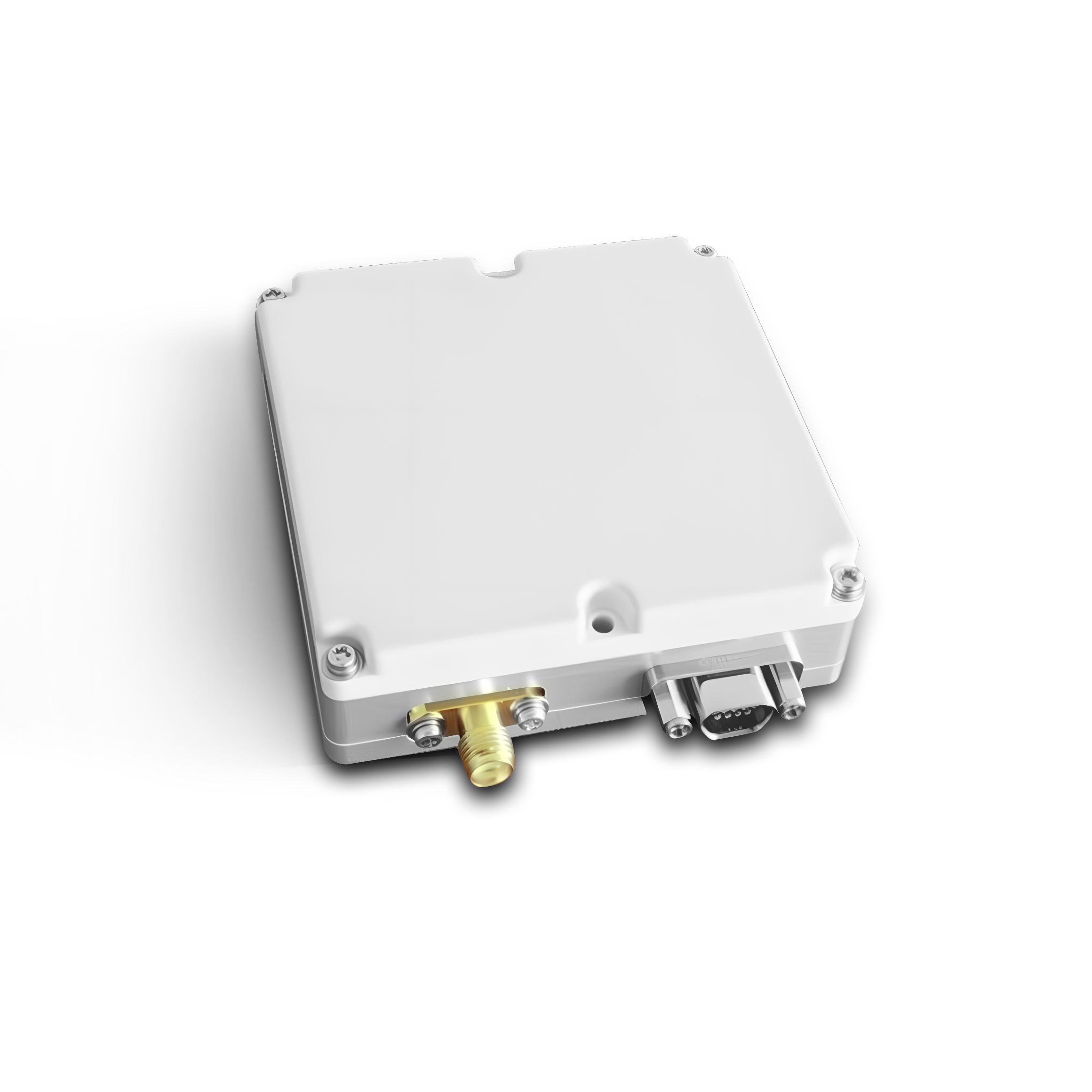
 INS170
 SLA-4B1L1-65
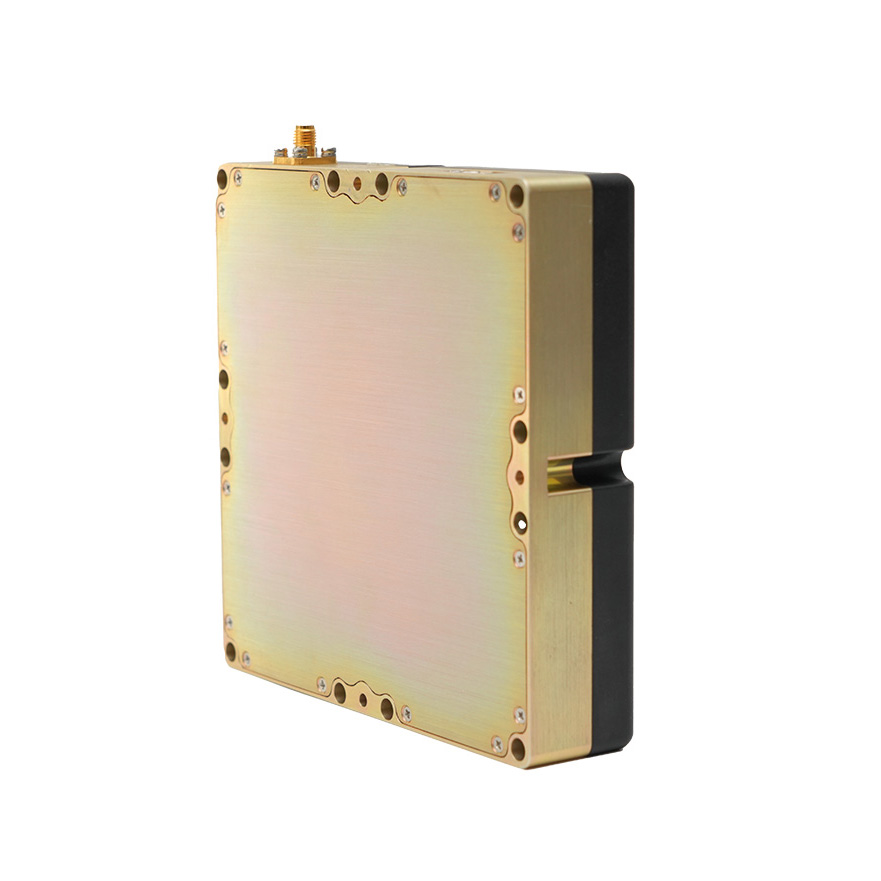 SLA-4B1L1-130
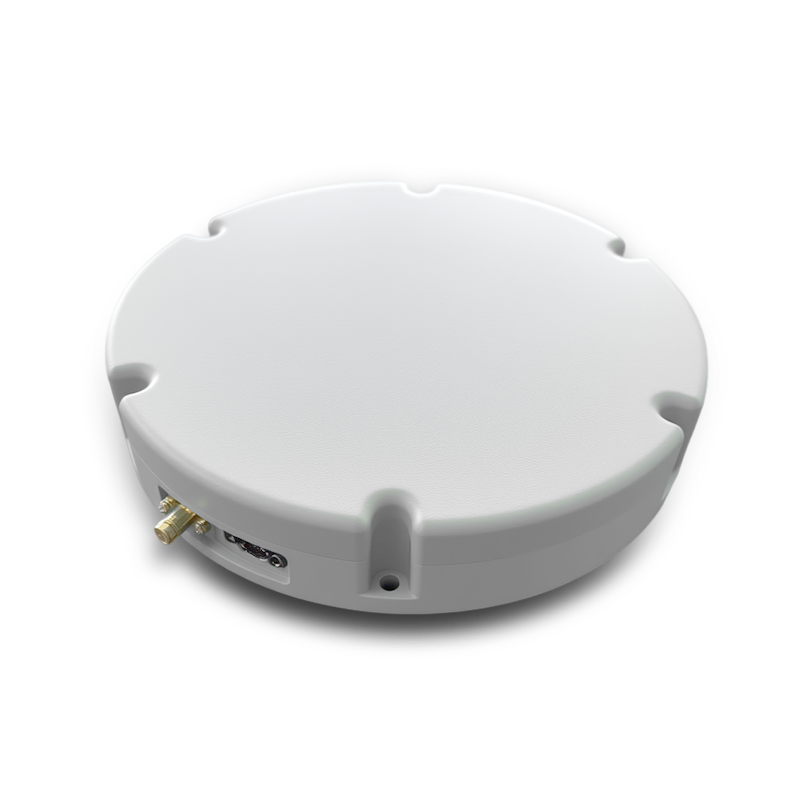 SLA-8B1L1-165
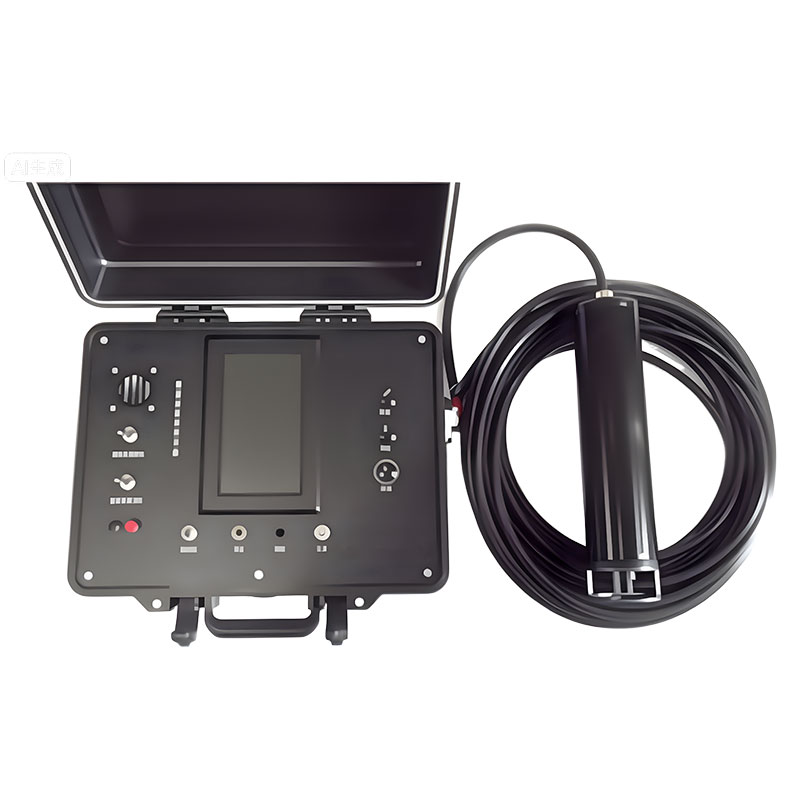 101 Vessel-mounted Positioning
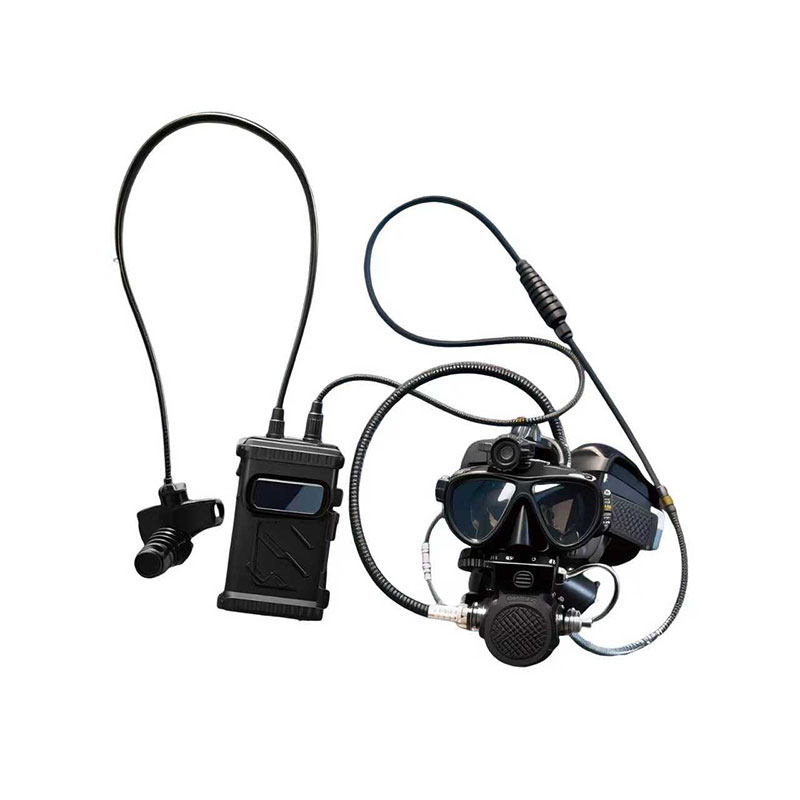 102 Acoustic Communication
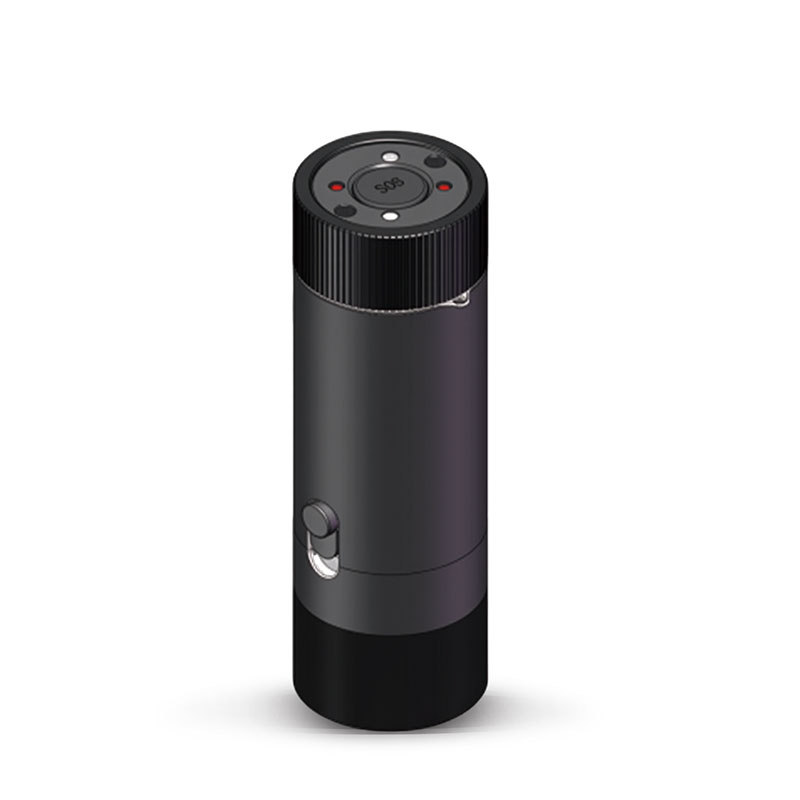 103 Tracking and Locating
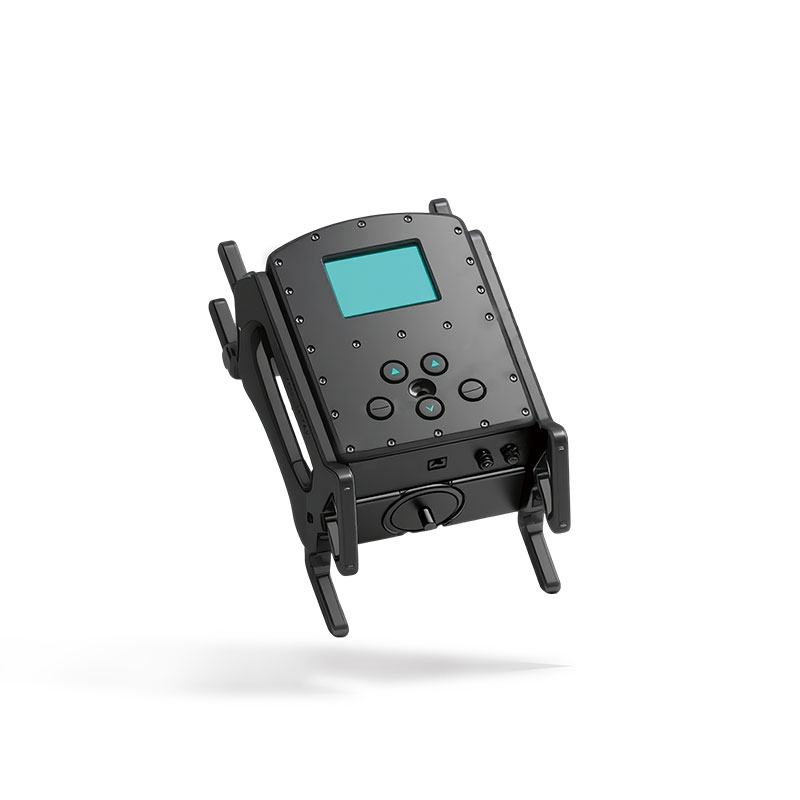 104 Diver Navigation System
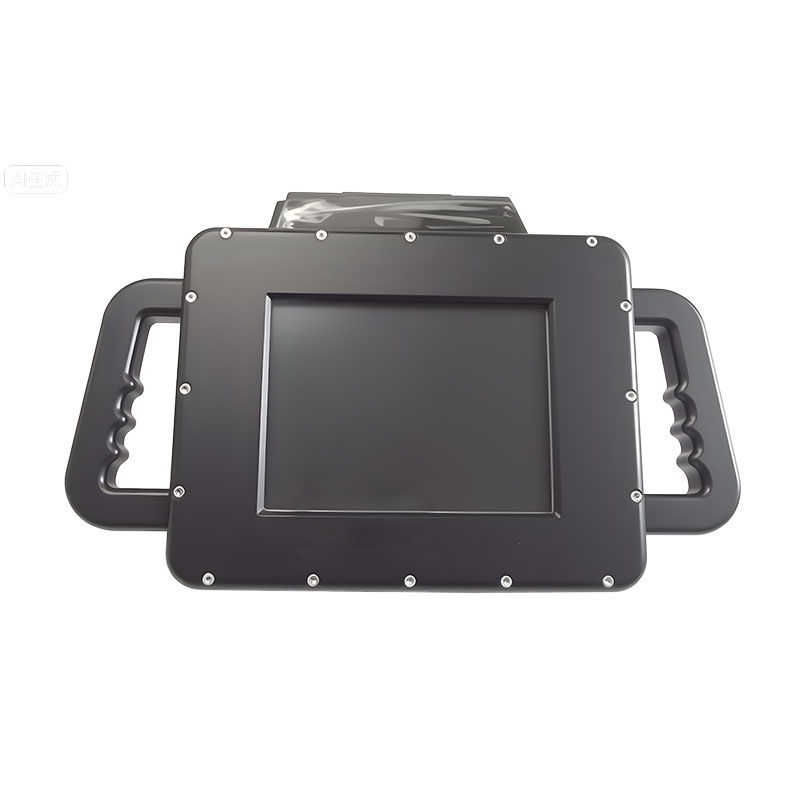 105 Intrusion Detection Sonar
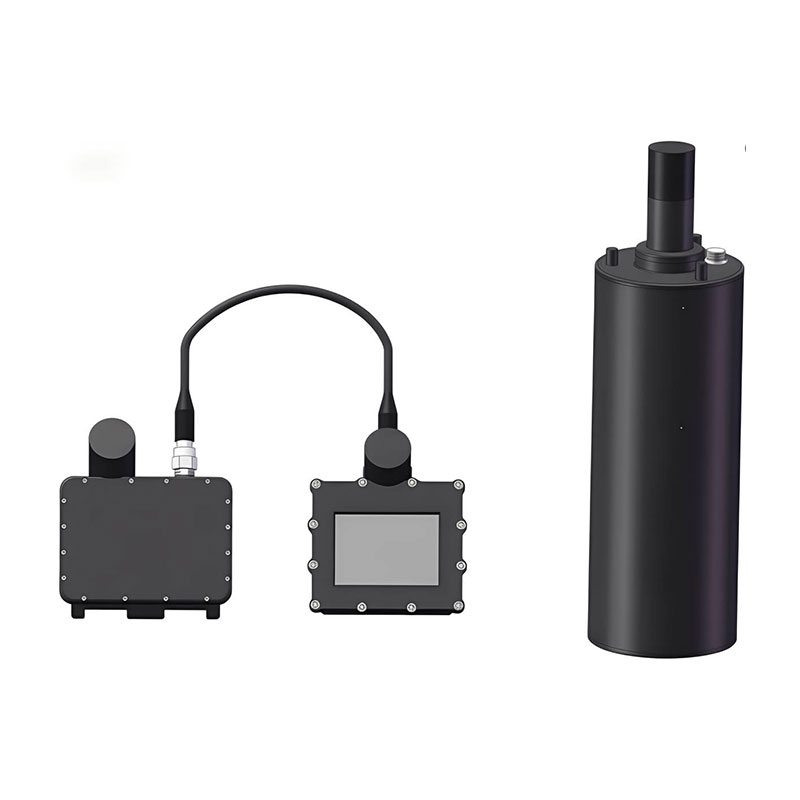 106 Delivery Locator Beacon
 SLLR3000
 SLLR905
 SLLD25
 160M
160M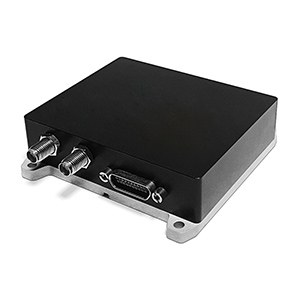 170M
170M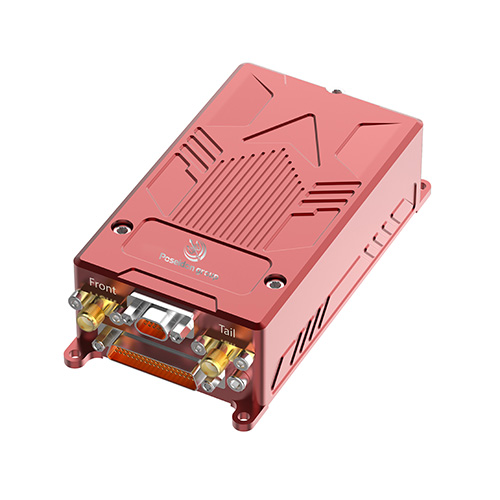 SLFC-70
 SLAF280
 MR360
MR360