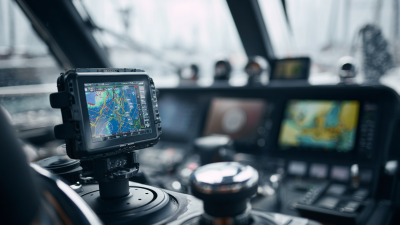
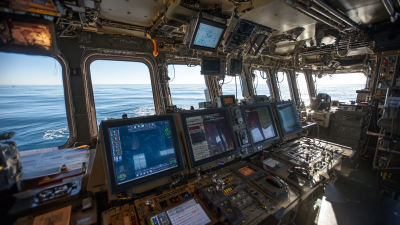
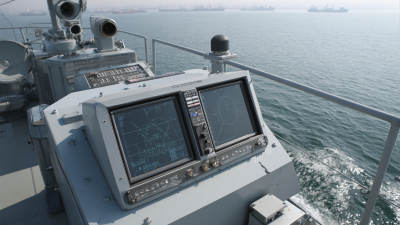
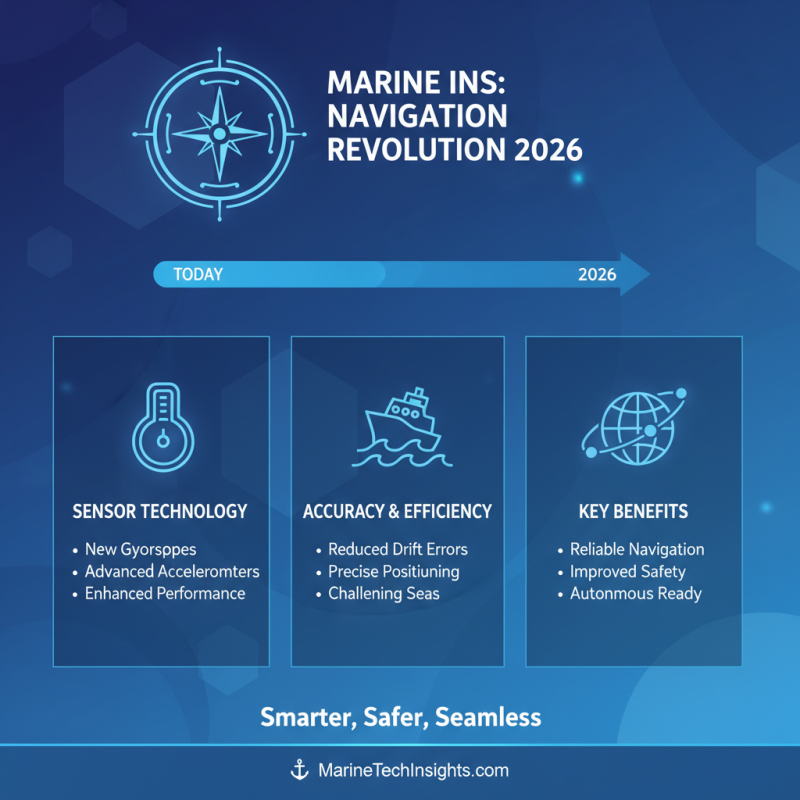
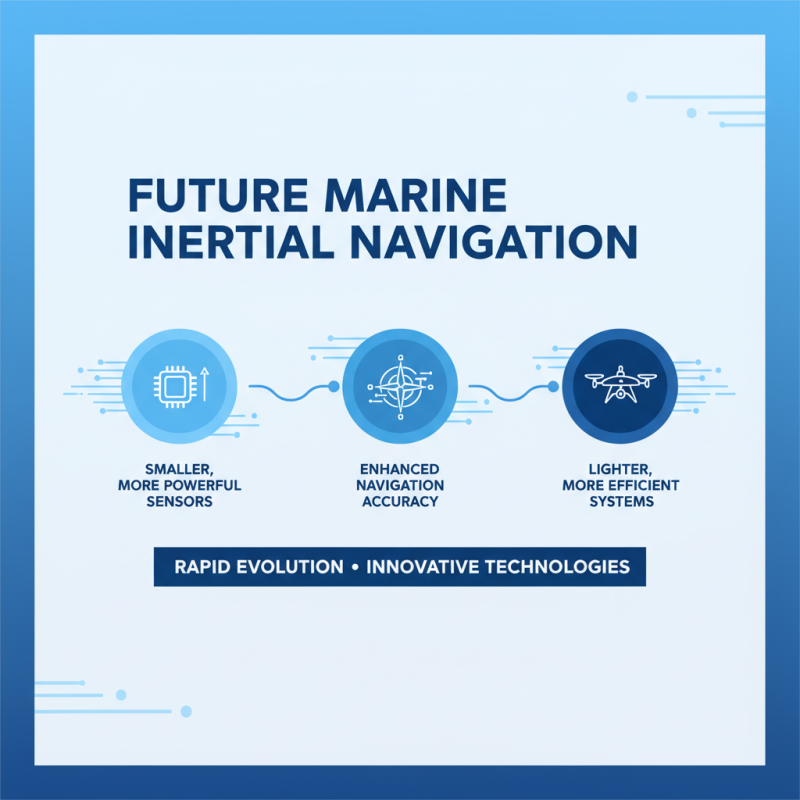
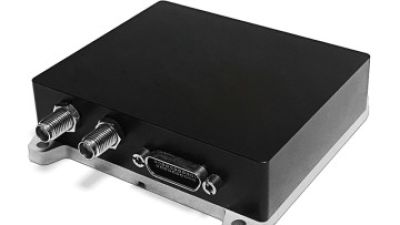
Looking ahead to 2026, the future of Marine Inertial Navigation Systems (or MINS, for short) really looks promising. These systems are pretty much the backbone when it comes to navigating ships safely through the rough and often unpredictable waters. Big players like Northrop Grumman and Kongsberg Maritime are really pushing the envelope with some pretty cutting-edge tech.
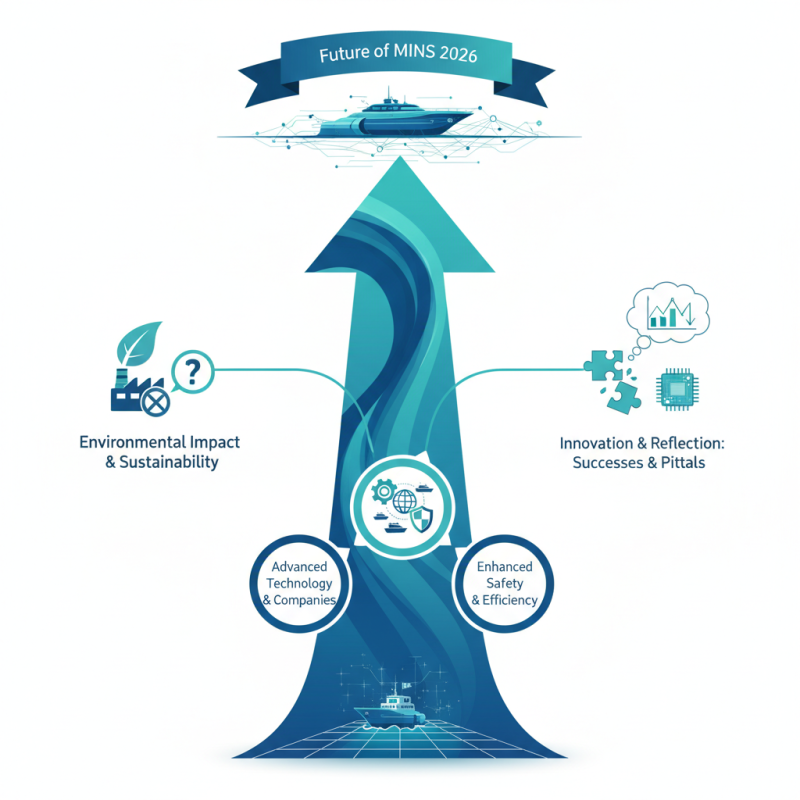
As more ships hit the seas than ever before, the need for dependable navigation tools becomes even more critical. MINS will be key to making maritime travel safer and more efficient, no doubt. That said, it's not all smooth sailing—there are challenges too. Stuff like how eco-friendly these systems are needs to be seriously thought about as we develop new tech. Being mindful of the environment shouldn’t be an afterthought.
And while there’s a lot of exciting progress, not every new idea turns out to be successful. Some innovations are still rough around the edges or run into integration problems. It’s really important for the maritime folks to learn from those setbacks, figuring out what went wrong so they don’t make the same mistakes twice. All in all, heading towards 2026, the journey with MINS is about balancing fresh ideas with lessons learned along the way—kind of like keeping one foot in innovation and the other in caution.
Overview of Marine Inertial Navigation Systems
Marine inertial navigation systems (INS) are crucial for modern maritime operations. These systems allow vessels to determine their position, heading, and speed. As of 2023, the global market for marine INS is projected to reach approximately $1.5 billion. This growth reflects the increasing demand for efficient navigation solutions in commercial shipping and military applications.
In 2026, new technologies are expected to enhance marine INS capabilities. For instance, integration with satellite navigation improves accuracy. A recent industry report indicated that these systems could reduce navigational errors by up to 50%. However, challenges remain. The systems can be expensive to install and maintain. Furthermore, environmental factors affect performance, which requires ongoing research.
Data from maritime agencies shows that nearly 30% of navigational errors result from outdated systems. As the industry evolves, addressing these shortcomings is critical. Innovation in sensor technology may provide solutions, but funding for research is often limited. Stakeholders must consider these factors as they plan for the future of marine INS.
Current State of Marine Inertial Navigation Technology
The current state of marine inertial navigation technology is rapidly evolving. Inertial navigation systems (INS) are crucial for precise positioning in maritime applications. Recent reports indicate that the global market for marine INS could exceed $3 billion by 2026. This growth reflects an increasing reliance on technology for navigation and safety.
Despite advancements, challenges remain. The accuracy of inertial systems can drift over time, especially in dynamic maritime environments. For instance, the standard deviation of position errors can increase significantly without regular calibrations. Many operators still struggle with integrating INS with other navigation aids. These integration issues can lead to inconsistencies and impact decision-making.
The demand for robust marine INS is driving innovation. The systems are becoming more compact and energy-efficient. Emerging sensor technologies promise improvements in precision and reliability. However, organizations must balance costs and performance. In a domain where every centimeter counts, the journey toward flawless navigation continues to face hurdles. As we approach 2026, the quest for optimal technology remains both exciting and daunting.
Current State of Marine Inertial Navigation Technology
| Parameter |
Current Status |
Projected Developments by 2026 |
| Sensor Technology |
High-accuracy MEMS sensors |
Integration of quantum sensors and improved MEMS |
| Data Processing |
Real-time algorithms with onboard processing |
More advanced machine learning applications |
| Integration with GNSS |
GNSS-assisted inertial navigation systems |
Enhanced integration for reliability in GPS-denied areas |
| Market Trends |
Increasing demand for autonomous systems |
Growth in autonomous underwater vehicles and marine drones |
| Cost Trends |
High initial investment for advanced systems |
Expected reduction in costs due to technology maturation |
Key Innovations Expected by 2026
The future of marine inertial navigation systems (INS) looks promising as we approach 2026. Innovations are set to emerge that will redefine navigation accuracy and efficiency. One key area of improvement is sensor technology. New gyroscopes and accelerometers will enhance performance in challenging conditions. These advancements may significantly reduce drift errors, enabling precise positioning in rough seas.
Another expected innovation is the integration of artificial intelligence. Smart algorithms will process sensor data more effectively. This will help vessels adapt to various maritime environments instantly. Real-time decision-making could reduce human error in navigation. However, there are concerns about over-reliance on technology. It’s crucial to maintain human oversight in complex scenarios.
Furthermore, the focus on sustainability may reshape navigation systems. Future iterations might harness renewable energy sources, minimizing environmental impact. For example, utilizing solar panels could power these systems, promoting eco-friendly operations. Addressing reliability in extreme weather remains a challenge. Developing robust systems that can withstand harsh marine conditions will require ongoing research and innovation. As advancements unfold, constant reflection on their limitations will be essential.
Challenges Facing Marine Inertial Navigation Systems
Marine inertial navigation systems (INS) face significant challenges as they evolve towards 2026. One primary issue is the dependence on accurate motion sensors. These sensors can drift over time, leading to errors in navigation. Small perturbations, like ocean currents or shifts in vessel speed, can compound this problem. The result could be misleading information for seafarers and automated systems.
Another challenge lies in integrating these systems with other technologies. With advancements in satellite navigation and communication systems, it's crucial to ensure compatibility. The blending of various data sources is not straightforward. Data synchronization issues may arise, leading to less reliable readings. Training personnel to understand and manage these complex systems is also essential.
Environmental factors add another layer of complexity. Harsh marine conditions can affect sensor performance and data accuracy. For example, rough seas or strong winds can disrupt readings. This unpredictability calls into question the reliability of current models. Addressing these challenges requires ongoing research and adaptation. Innovations may provide improved accuracy, but significant hurdles remain.
Emerging Trends in Marine Navigation Technology
The future of marine inertial navigation systems is evolving rapidly. Emerging trends highlight innovative technologies that enhance navigation accuracy. Sensors are becoming smaller yet more powerful. This transformation makes systems lighter and more efficient.
Integration with satellite technology is another trend. This combination improves positioning even in challenging environments. Navigators can expect more reliable data. However, challenges remain. The dependency on satellite signals can be risky during bad weather.
Tips: Consider the importance of regular system updates. Keeping technology current can enhance performance and reliability. Also, invest time in training for using new systems. Proper knowledge helps avoid mishaps and ensures safety.
As we look towards 2026, challenges will persist. Cybersecurity risks loom large. As systems advance, so do potential threats. Addressing these concerns is crucial. Focused efforts on security will be necessary. Overall, staying informed is vital for navigating the complexities ahead.
Potential Applications of Advanced Marine Inertial Navigation
The future of marine inertial navigation systems (INS) is promising and opens new avenues for exploration. By 2026, advanced INS technology will play a crucial role in various applications. It will enhance underwater robotics, allowing for precise movement in unpredictable environments. The potential for better accuracy is significant. However, systems still face challenges related to calibration and environmental factors.
One exciting application is in autonomous ships. These vessels could revolutionize shipping logistics. They will navigate efficiently without human intervention, reducing costs. Yet, reliance on technology raises questions. Can these systems discern and react to unexpected obstacles? That remains to be seen.
Another area is marine research. Advanced INS can map the ocean floor in greater detail. This will help scientists track climate change's impact on marine ecosystems. Still, the accuracy of data collection poses a concern. Calibration issues may result in misleading information. Researchers must address these uncertainties to fully benefit from the technology.
Impact of Autonomous Vessels on Navigation Systems
The rise of autonomous vessels is reshaping marine navigation. These vessels rely heavily on advanced inertial navigation systems. As they operate with minimal human intervention, precision becomes crucial. The accuracy of navigation systems will define the effectiveness of these vessels. Engineers are now focusing on improving sensor technology.
Challenges exist in the integration of these systems. For example, complex environments can confuse sensors, leading to errors. Consistent performance in diverse conditions is a real concern. A vessel navigating a busy port must avoid collisions and still reach its destination. It's a delicate balance, and current systems may not always succeed.
Moreover, cybersecurity is an emerging issue. As more vessels become interconnected, the risk of hacking increases. Navigation systems must adapt to safeguard against threats. Data privacy and reliability are paramount in this new age. Without trust in the technology, autonomous vessels will struggle to gain acceptance. The future of marine inertial navigation systems should reflect these evolving needs.
Leveraging Micro Electro Mechanical Systems (MEMS) in Emerging Technologies: Insights from Industry Reports and Market Trends
The integration of Micro Electro Mechanical Systems (MEMS) has been a game-changer across various emerging technologies, significantly impacting sectors like consumer electronics, automotive, and healthcare. Recent industry reports indicate that the MEMS market is expected to grow steadily, driven by the rising demand for miniaturization and enhanced performance in devices. In particular, MEMS navigation products are gaining traction due to their compact form factor and exceptional accuracy, with performance metrics showing a heading and attitude accuracy of just 0.1°. Such precision makes them indispensable in applications ranging from smartphone navigation to autonomous vehicles.
The lightweight nature of MEMS devices further enhances their appeal, allowing manufacturers to create products that do not compromise on functionality while maintaining a sleek design. According to market analysis, the global MEMS market is projected to reach a value exceeding $20 billion by 2026, highlighting a robust trend towards the adoption of these advanced technologies. The continuous miniaturization of MEMS devices not only leads to cost-effective solutions but also enables the development of innovative applications that were previously unfeasible. As the landscape of technology evolves, the role of MEMS in shaping new paradigms will undoubtedly expand, emphasizing the importance of ongoing research and development in this dynamic sector.
FAQS
: The product is designed to enhance user experience. It focuses on efficiency and functionality.
Yes, the product is versatile. Users can adapt it for various functions and activities.
Basic understanding is helpful. However, detailed training may enhance effectiveness but isn't mandatory.
Check the manual for troubleshooting. Contact support if problems persist for assistance.
It streamlines processes and saves time. Users often report increased productivity.
While helpful, the product may not suit every user. Individual preferences vary greatly.
Some parts are customizable. Future upgrades may be available for enhancement.
Reviews are mixed. Some appreciate its features, while others find room for improvement.
Yes, users can access resources and FAQs. Ongoing support is offered for ease of use.
Many overlook setup steps. Some also don't maximize features, leading to dissatisfaction.
Conclusion
The future of Marine Inertial Navigation Systems (MINS) is poised for significant advancements by 2026, driven by ongoing innovations and emerging trends in marine navigation technology. Currently, MINS are essential for ensuring accurate positioning and navigation, but the integration of new technologies promises to enhance their capabilities dramatically. Key innovations expected within the next few years include improved sensor performance, more sophisticated algorithms, and increased integration with other navigation systems, which will mitigate challenges such as environmental interference and system reliability.
As maritime operations increasingly embrace autonomous vessels, the impact on Marine Inertial Navigation Systems will be profound. These systems are anticipated to play a critical role in the seamless functioning of autonomous fleets, contributing to enhanced safety and operational efficiency. Potential applications could range from commercial shipping to advanced underwater exploration, highlighting the vital importance of MINS in the evolving landscape of marine navigation.

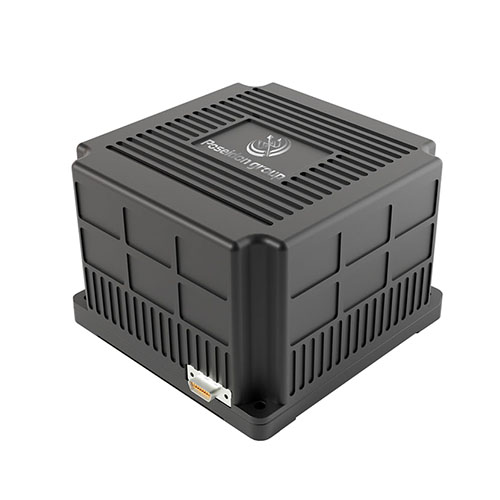 TBSD60
 BSD120
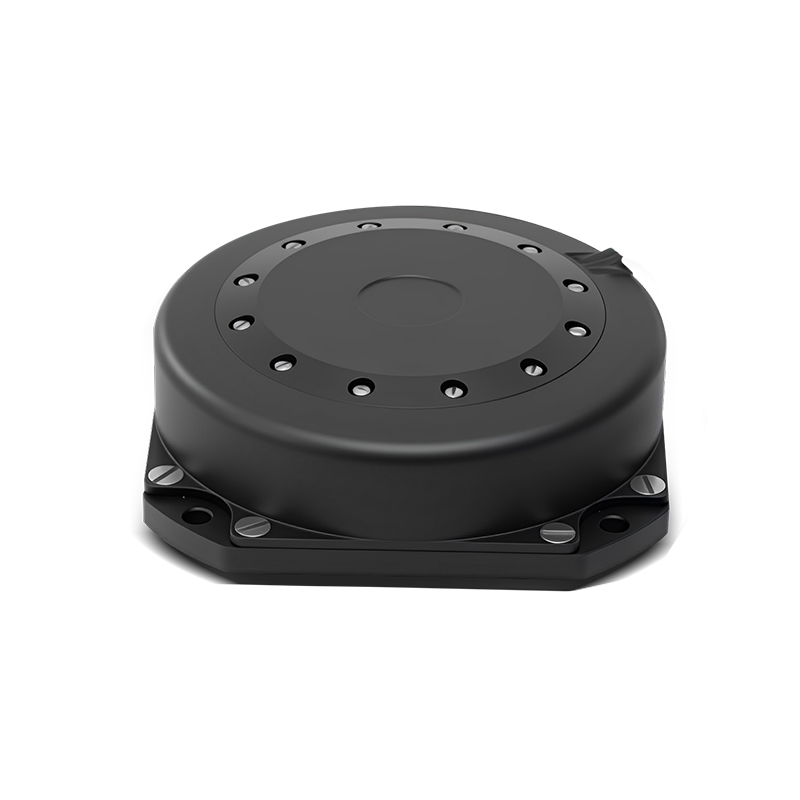 BSD98
BSD98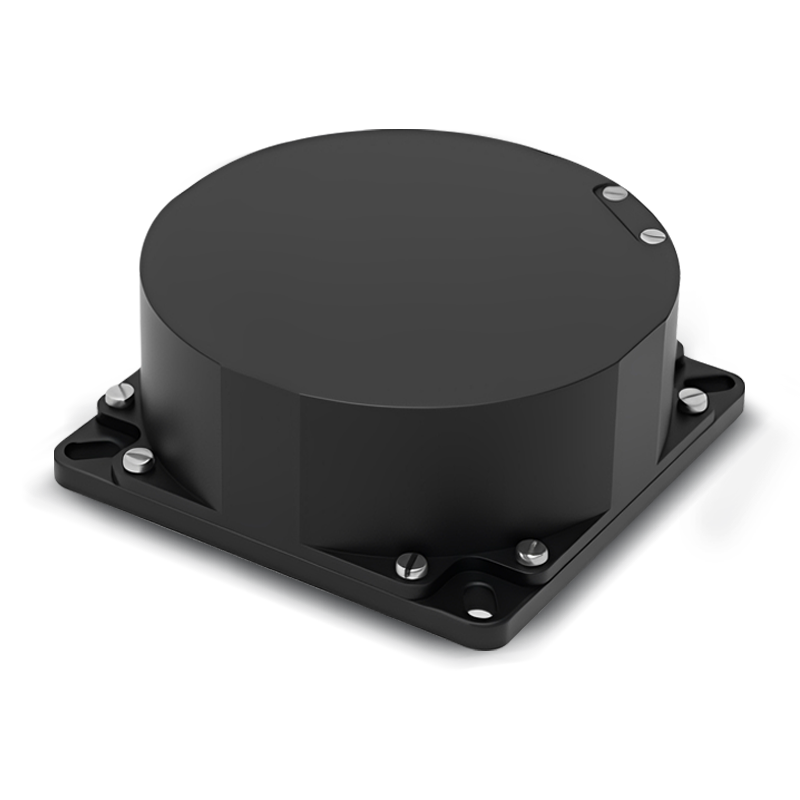 BSD70
BSD70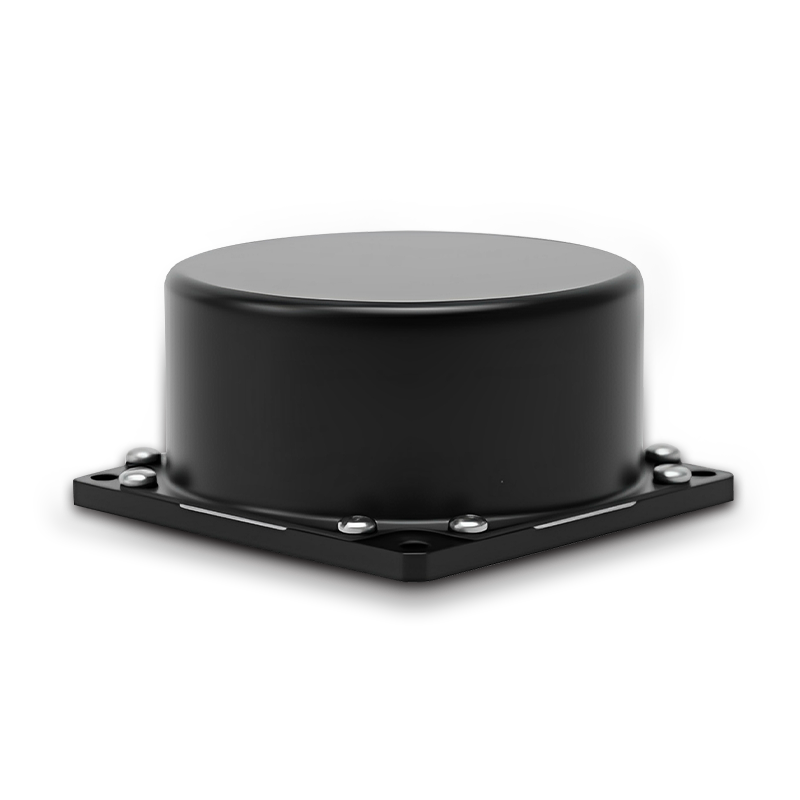 BSD60
BSD60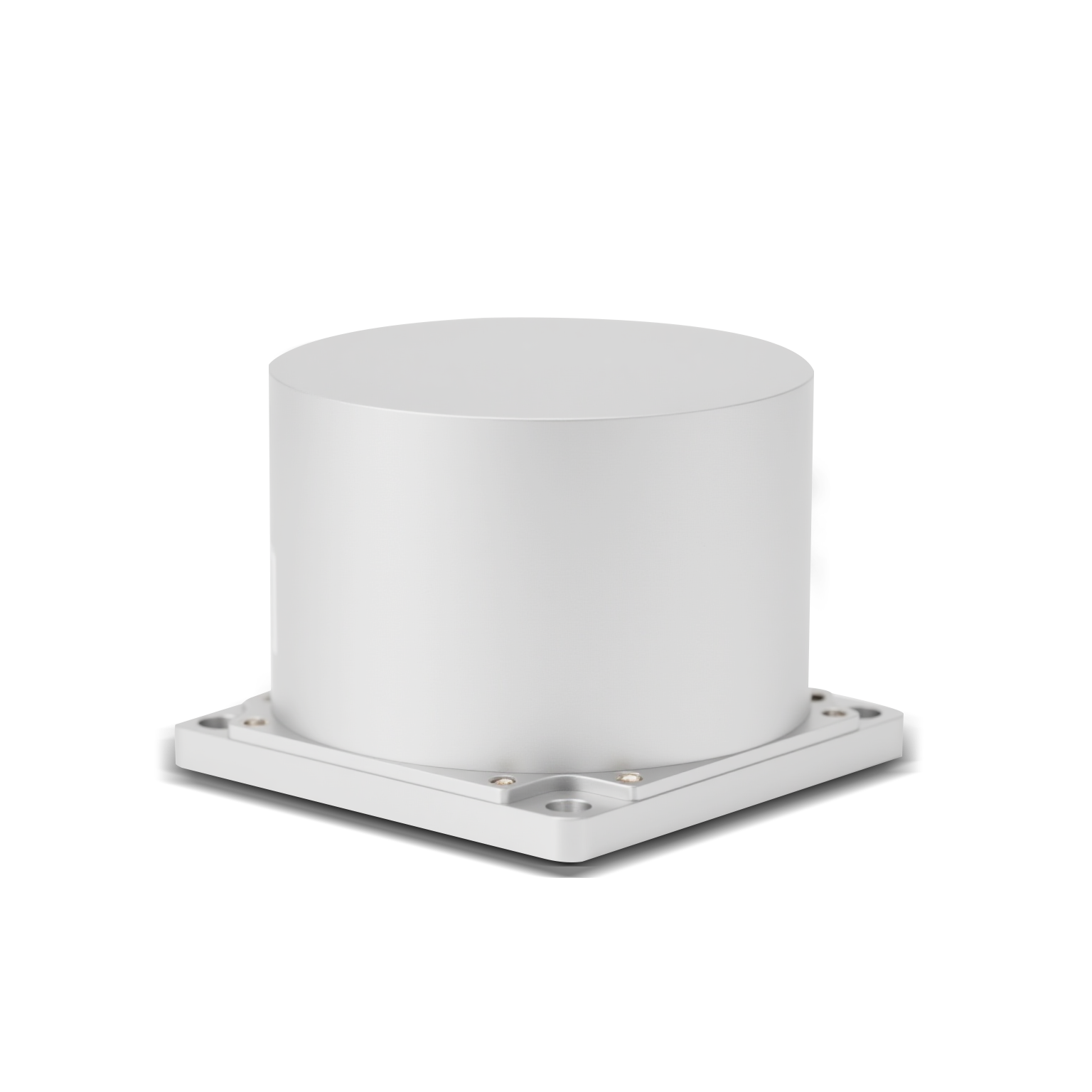 BSD50
BSD50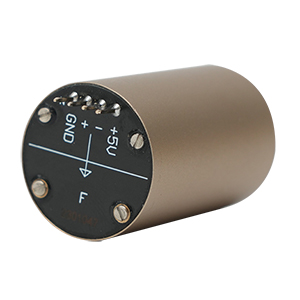 BSD217
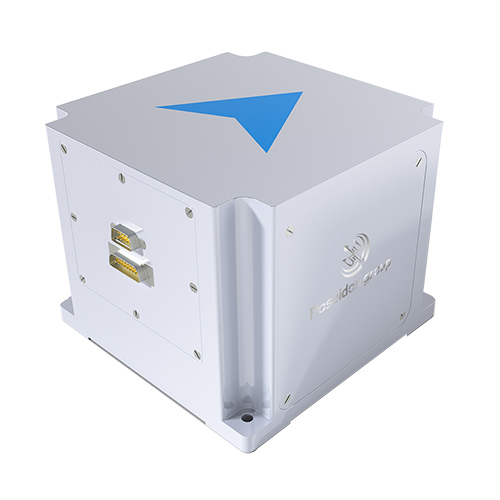 INS1700
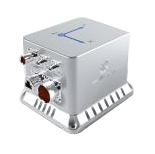 INS970
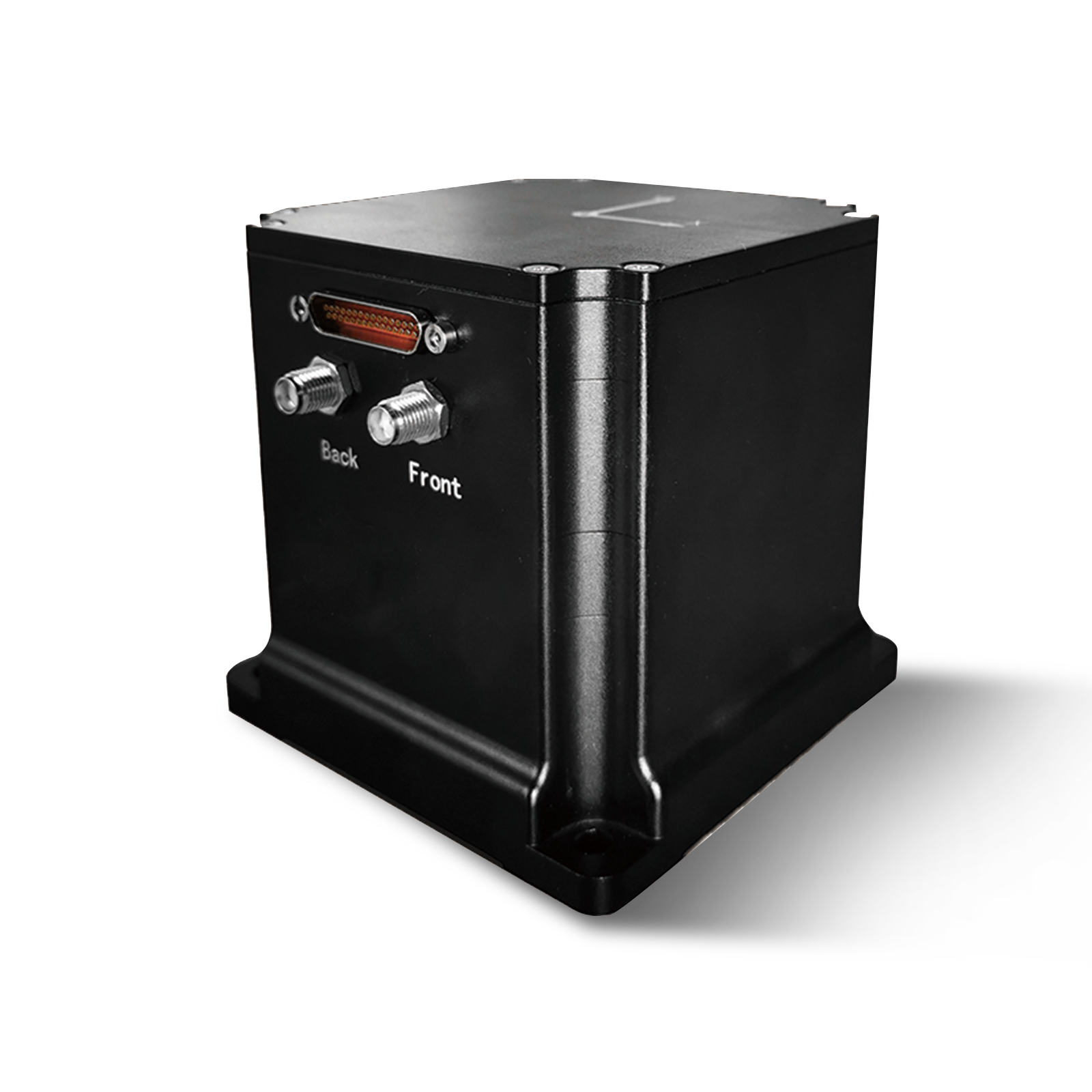 INS570
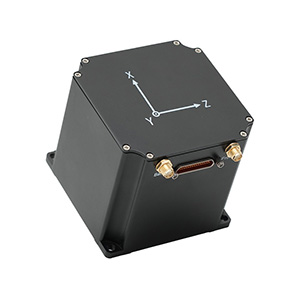 INS170
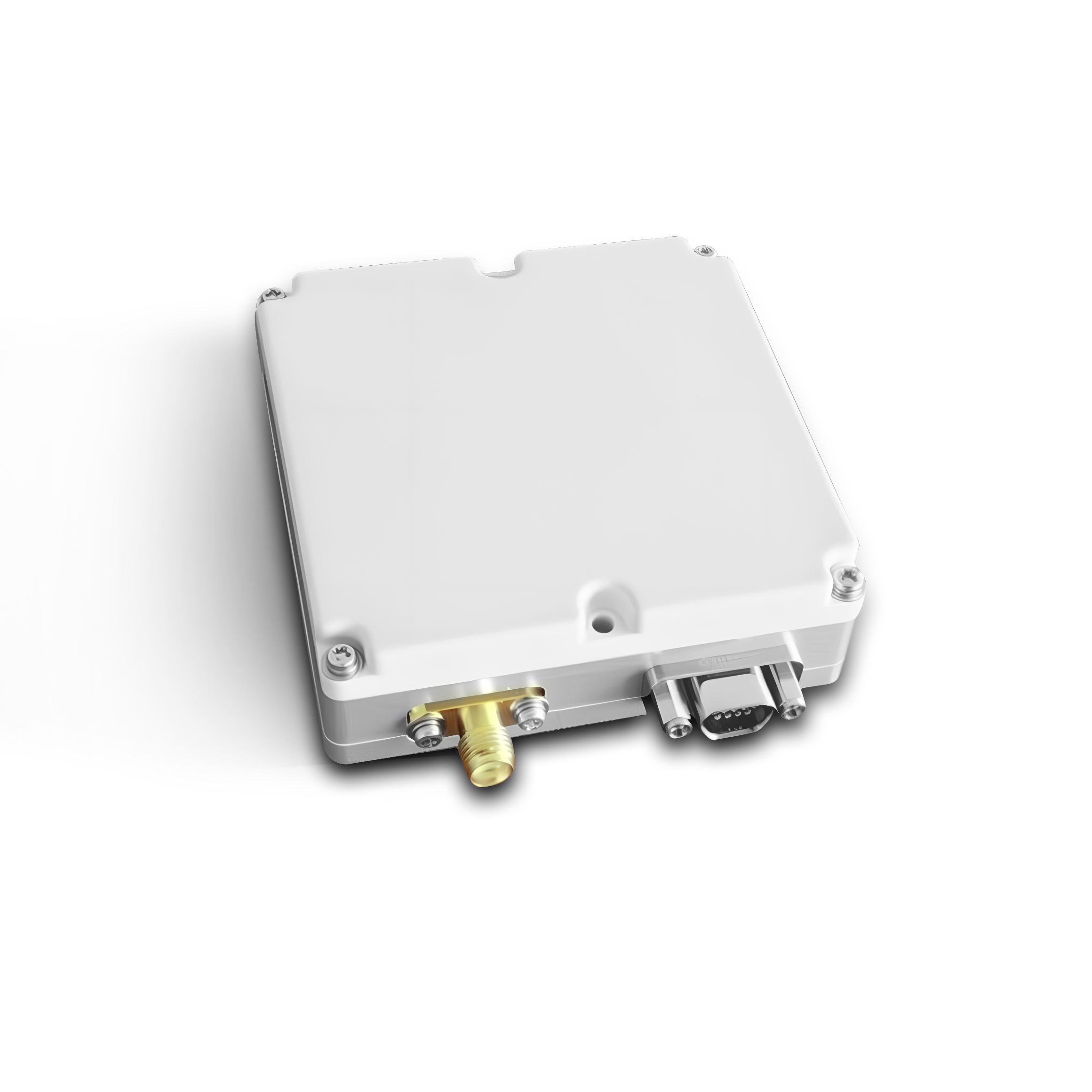 SLA-4B1L1-65
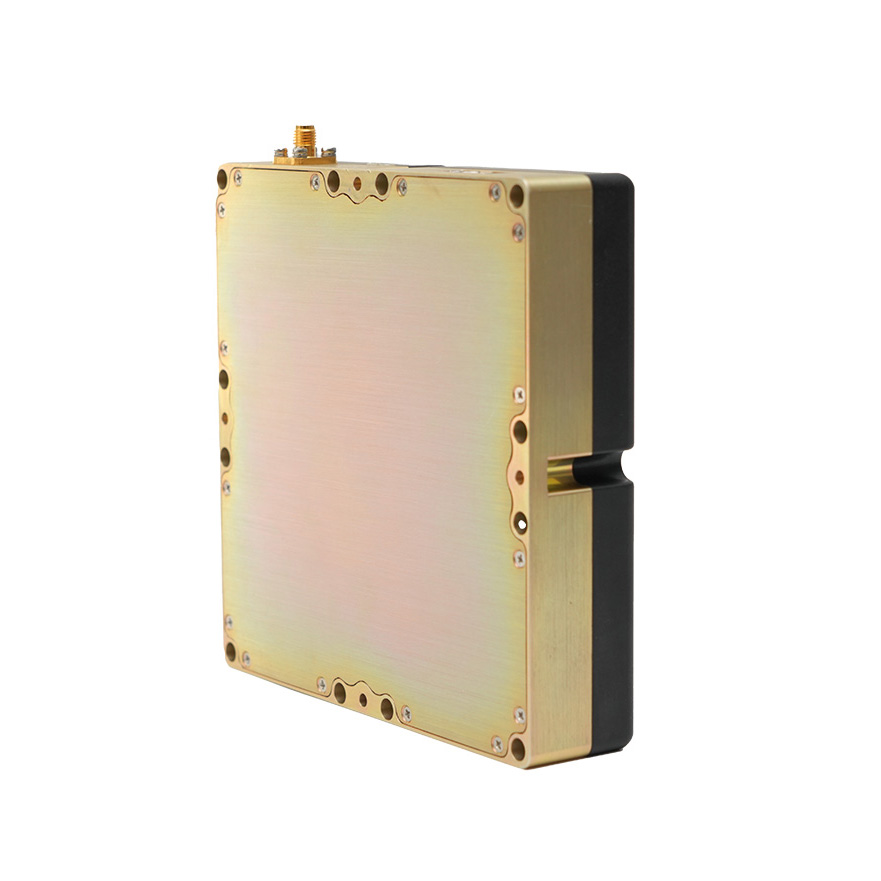 SLA-4B1L1-130
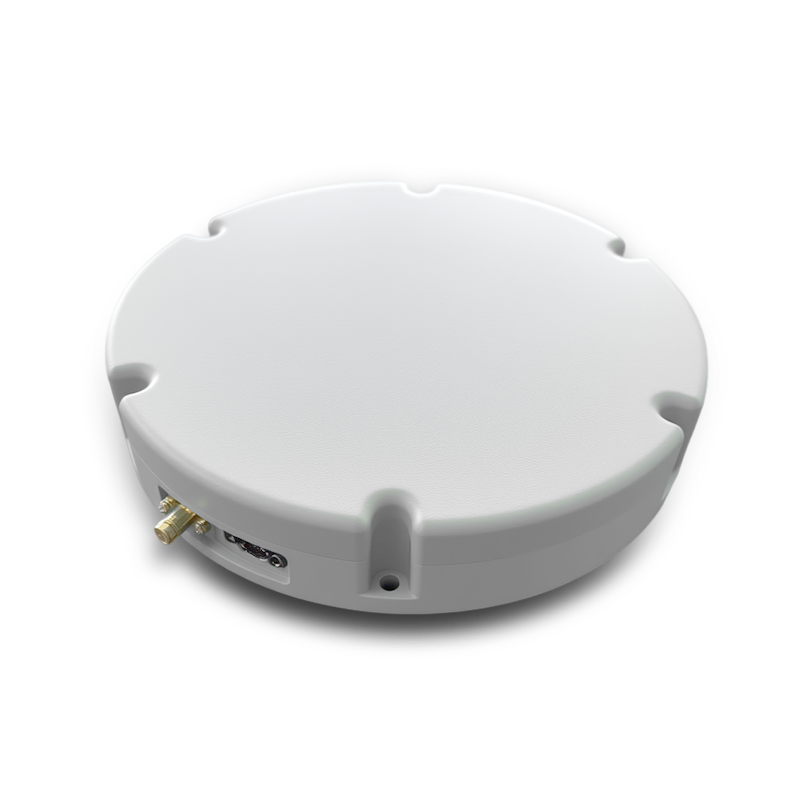 SLA-8B1L1-165
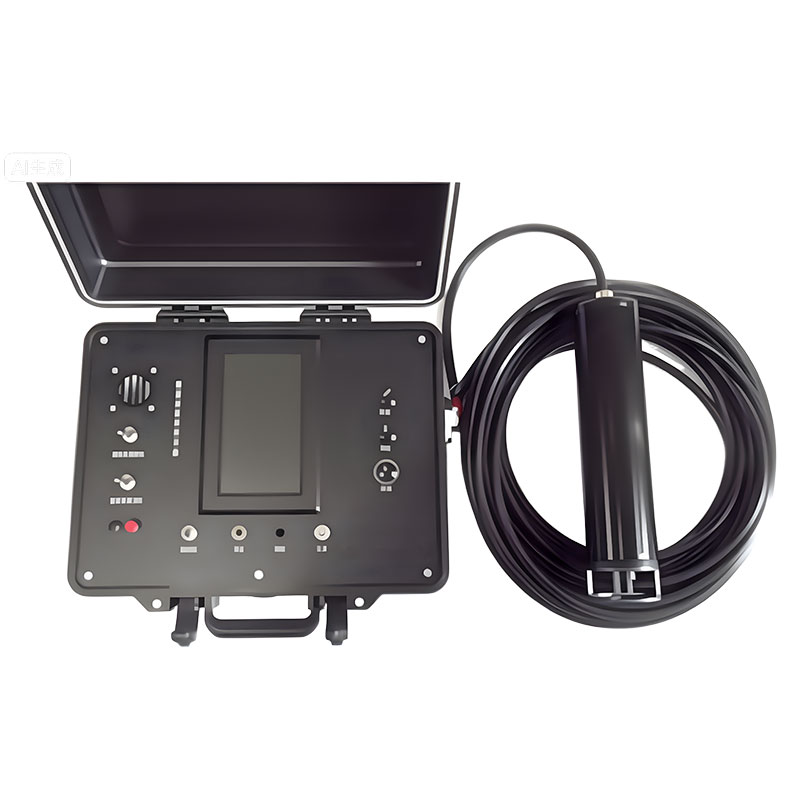 DIVER 101
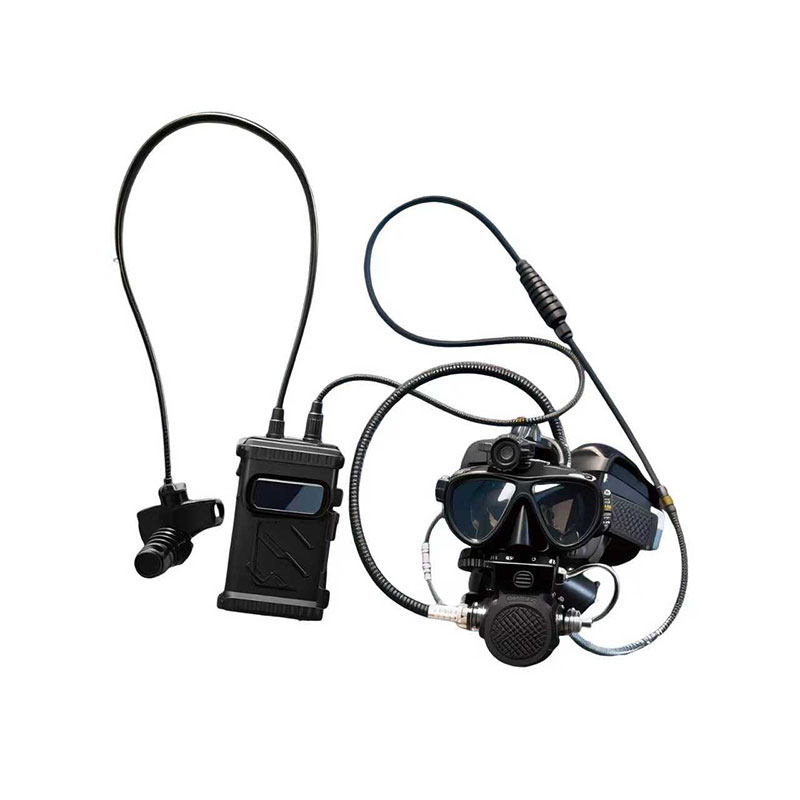 DIVER 102
 DIVER 103
 DIVER 104
 DIVER 105
 DIVER 106
 SLLR3000
 SLLR905
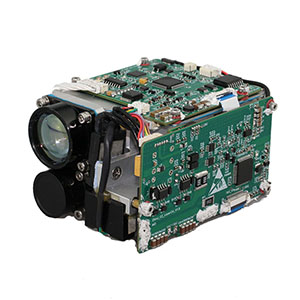 SLLD25
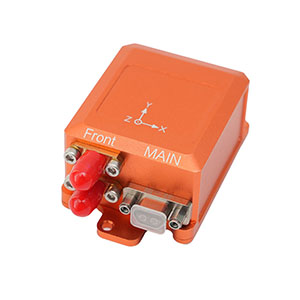 160M
160M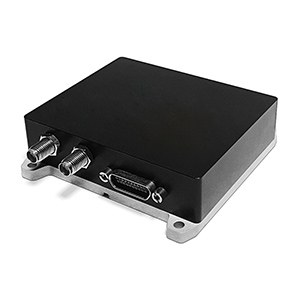 170M
170M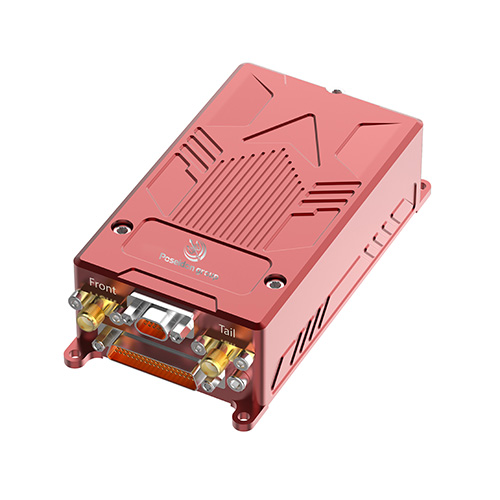 SLFC-70
 SLAF280
 MR360
MR360